


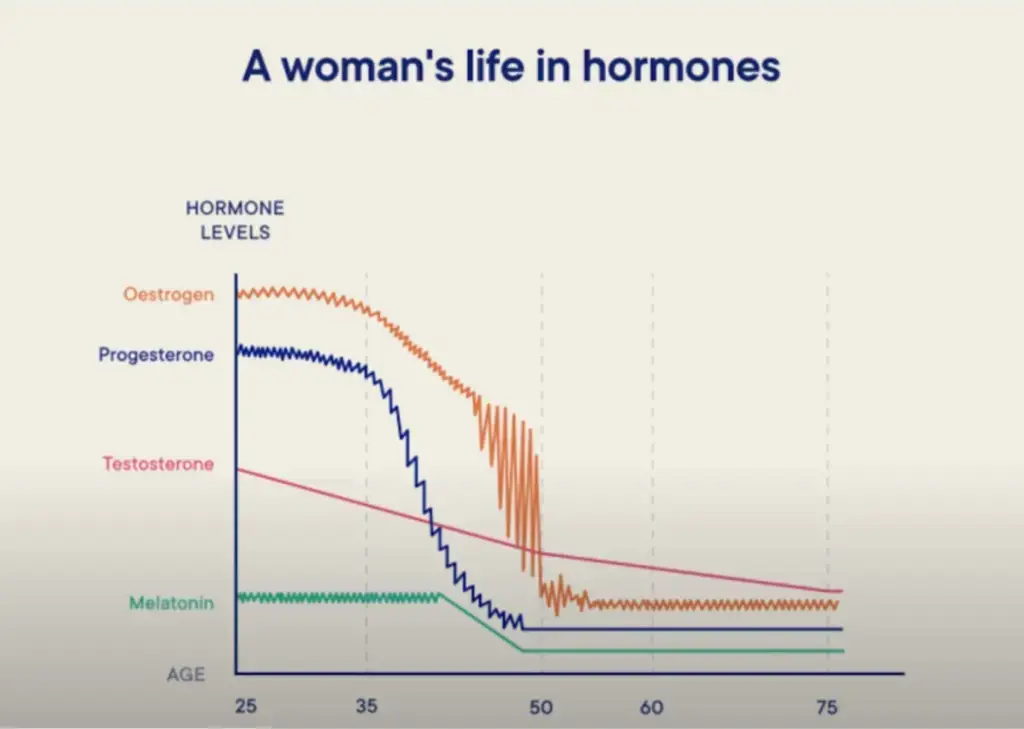
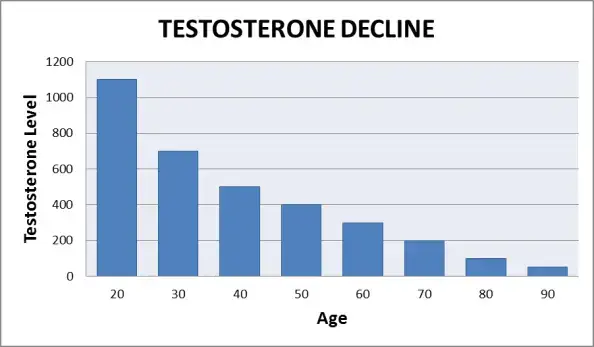
Hormone levels can change with age and may contribute to symptoms such as low energy, changes in mood, reduced libido, sleep problems, hot flashes, and changes in body composition. Hormone replacement therapy (HRT) may help clients address symptoms associated with hormonal changes or deficiencies.
At NAWI Wellness in Naples, FL, the NAWI team uses laboratory testing, medical evaluation, and individual symptoms to develop a personalized hormone therapy plan.

In the first video, Dr. Edwin Dean, Medical Director at NAWI Wellness, talks about the issues associated with aging and how those issues can be addressed with hormone replacement therapy.
In the second video, a NAWI Wellness Center client talks about the effect that Hormone Replacement therapy has had on her life.
Hormone replacement therapy can help relieve symptoms associated with hormonal changes or deficiencies and improve overall quality of life for appropriate patients. Depending on the hormones involved and the individual, potential benefits may include improved energy, better sleep, more stable mood, increased libido and sexual well-being, relief from hot flashes and night sweats, and improvements in muscle mass and body composition.
For women experiencing menopause, hormone therapy may also help address vaginal dryness and other menopausal symptoms.
For men with clinically low testosterone, treatment may help improve symptoms such as reduced energy, decreased libido, and loss of muscle mass.
Because symptoms and treatment responses vary, the NAWI team develops an individualized treatment plan based on your medical history, laboratory results, symptoms, and goals.
Hormone therapy should be based on individual medical needs rather than age alone.
At NAWI Wellness, Dr. Edwin Dean and the NAWI team evaluate your symptoms, health history, laboratory results, and treatment goals before recommending hormone therapy. When appropriate, treatment may include hormones such as testosterone, estrogen, or progesterone, with ongoing monitoring used to evaluate your response and adjust treatment when necessary.
Hormone replacement therapy can be appropriate for many patients, but like any medical treatment, it has potential benefits, risks, and side effects.
Whether HRT is appropriate depends on factors including your symptoms, hormone levels, medical history, medications, and individual risk factors. Before recommending treatment, the NAWI team evaluates these factors and uses laboratory testing to develop an individualized treatment plan. Ongoing monitoring helps determine how you are responding to therapy and whether adjustments are needed.
Hormone pellet therapy uses small pellets containing hormones that are placed beneath the skin through a brief in-office procedure. The pellets gradually release hormones over time, providing an alternative to treatment methods that may require more frequent dosing. The appropriate dose and timing depend on individual needs, laboratory results, symptoms, and response to treatment. The NAWI team will discuss whether pellet therapy or another form of hormone replacement is appropriate for you.
Learn more about this important therapy by scheduling a no-obligation consultation with the NAWI Wellness team. Make an appointment by calling 239.202.0441 or clicking here.
Bioidentical hormones have the same chemical structure as hormones naturally produced by the human body. The NAWI team can explain the available hormone formulations and recommend an appropriate treatment based on your individual needs.
Laboratory testing is an important part of evaluating hormone levels and determining whether treatment may be appropriate. The NAWI team considers your test results along with your symptoms, health history, and treatment goals when developing a personalized plan.
The timing varies depending on the individual, the symptoms being treated, and the type of hormone therapy used. Some people notice changes within several weeks, while other improvements may take longer. The NAWI team will monitor your response and adjust treatment when appropriate.
Hormonal changes can sometimes contribute to changes in body composition, but hormone replacement therapy is not a weight-loss treatment. If weight management is also a concern, the NAWI team can evaluate whether medical weight loss or other treatment options may be appropriate.
What happens after stopping hormone therapy varies depending on the reason for treatment and your individual hormone levels. Some symptoms may return after treatment is discontinued. Changes to hormone therapy should be discussed with the NAWI team rather than stopping treatment without medical guidance.
Hormone replacement therapy may be appropriate for adults experiencing symptoms associated with hormonal changes or clinically low hormone levels. Because symptoms such as fatigue, changes in mood, reduced libido, sleep problems, or changes in body composition can have many possible causes, treatment should begin with a medical evaluation rather than symptoms alone. The NAWI team reviews your health history, symptoms, laboratory results, medications, and individual risk factors to determine whether hormone therapy is appropriate for you.