


Rosacea skin condition is characterized by redness or flushing of the face. Rosacea typically begins as redness on the central face across the cheeks, nose, or forehead, but can also affect the neck, chest, ears, and scalp. Many people develop small, visible vessels on their face as well, often called telangiectasia. NAWI treats these in the same manner as Rosacea. Rosacea can affect anyone, but it’s most common in middle-aged Caucasian women.
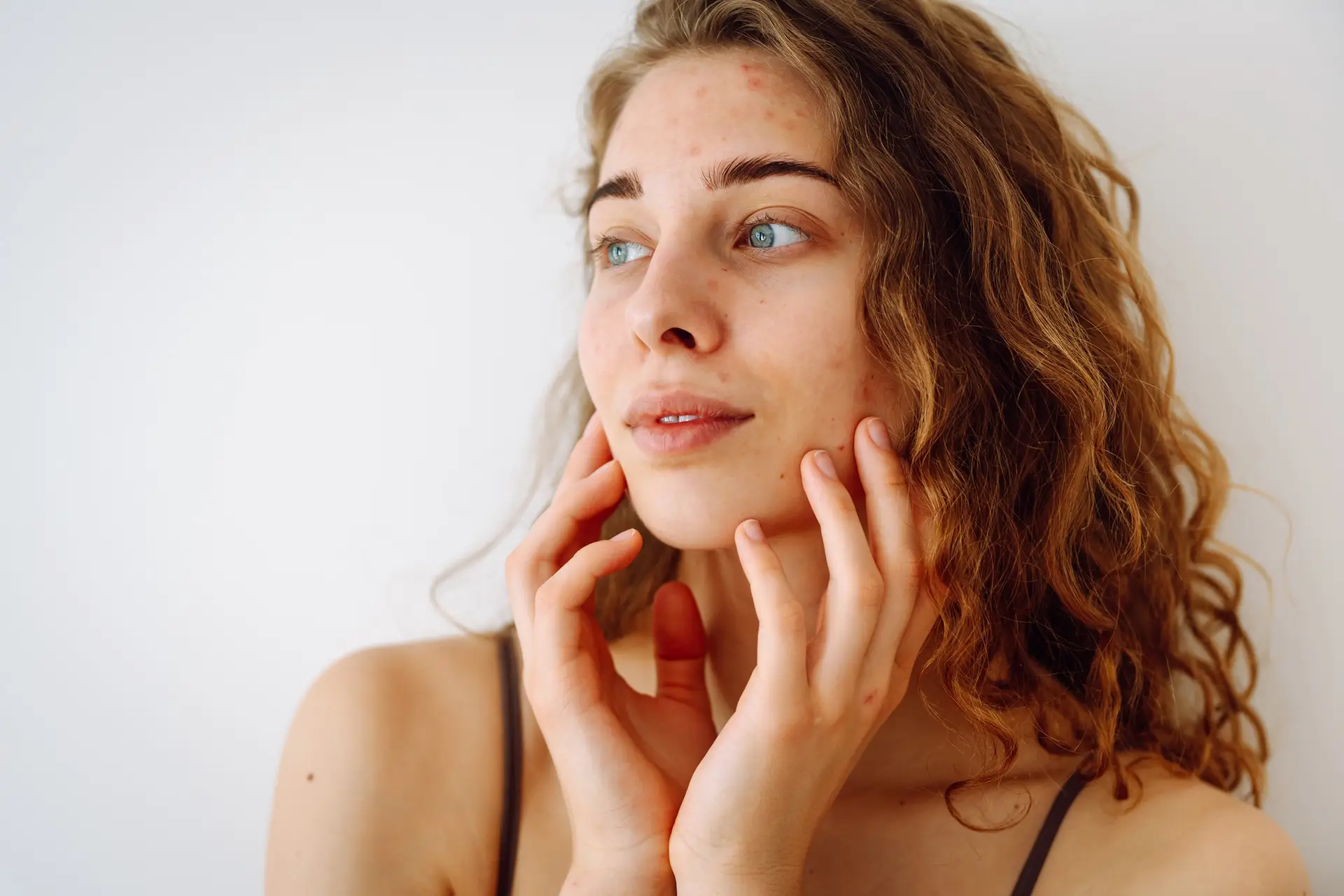
NAWI has two recommended and effective rosacea skin condition treatments. Click each treatment to learn more.
Click here or call 239.202.0441 to schedule your no-obligation consultation to learn more about your condition and the available treatments at NAWI Wellness Center
There are several symptoms of rosacea skin condition:
Rosacea can cause a persistent blushing or flushing in the central part of your face. This sign of the condition may be difficult to see on brown and Black skin.
Small blood vessels of your nose and cheeks break and become visible (spider veins).
Many people with rosacea also develop pimples on their face that resemble acne. These bumps sometimes contain pus.
Rosacea is likely caused by a combination of genetic predisposition, environmental factors, abnormalities in the immune system and nervous system, and possibly the presence of certain microorganisms on the skin. The precise interplay of all these factors and their relative contributions to the development of rosacea are still not fully understood.
There is evidence to suggest that genetics play a role in rosacea. Individuals with a family history of rosacea are more likely to develop the condition themselves.
Dysfunction in the blood vessels of the face may contribute to the flushing and redness associated with rosacea. This could involve abnormalities in the dilation and constriction of blood vessels.
Certain environmental factors can exacerbate rosacea symptoms, such as sunlight, heat, cold, wind, humidity, spicy foods, alcohol, and hot beverages. These triggers can cause blood vessels to dilate and worsen redness and flushing.
These microscopic organisms are naturally found on the skin of most people, but individuals with rosacea may have higher populations of these mites on their skin. It’s believed that an abnormal immune response to these mites may contribute to inflammation and the development of rosacea symptoms.
Some researchers believe that abnormalities in the immune system may contribute to the development of rosacea. Inflammation is a key component of rosacea, and the immune system may play a role in perpetuating this inflammatory response.
Dysfunction in the nervous system’s control of blood vessels may contribute to the flushing and redness seen in rosacea. This dysregulation can lead to exaggerated responses to certain triggers, causing blood vessels to dilate excessively.
No, rosacea cannot be cured, but treatments can control symptoms well. Many people manage flare-ups with regular care.
No, rosacea is not contagious. You cannot catch it from someone else or spread it by touch.
Yes, you can use makeup, but choose non-irritating, fragrance-free products. NAWI may recommend specific skincare brands.
Frequency depends on severity and response to treatment. Some clients benefit from regular sessions every few months.
Yes, NAWI’s treatments are safe for all skin tones. The staff adjusts the approach based on your skin type.